Welcome to
Young's Photo Gallery

James W. Young, Professional Photographer
April 21, 2024
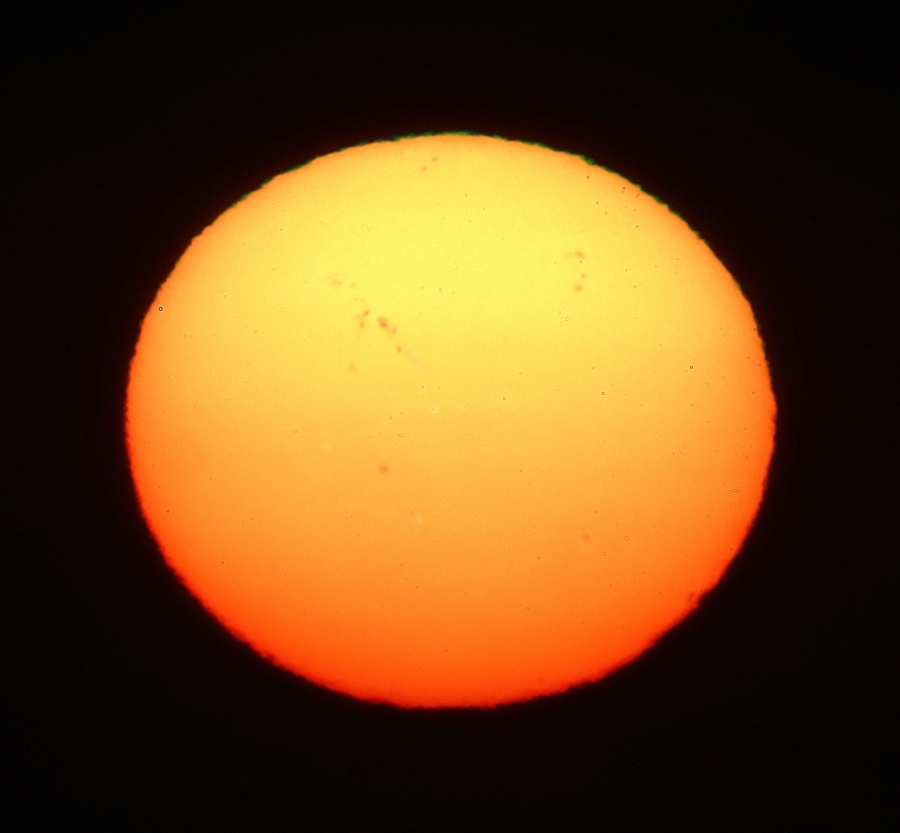
Numerous sunspots as seen on April 17, 2024 from the Necanicum
Estuary in Seaside, Oregon.
Image of the Week Archives

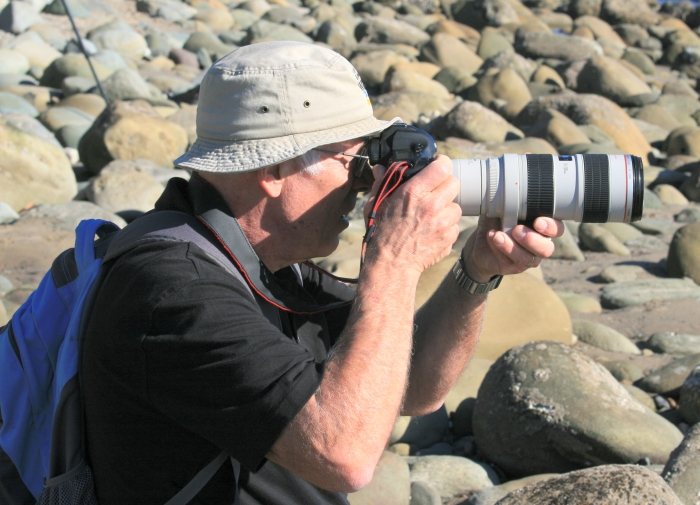
Jim seen here on the southern California coast in December, 2009
(photo by his wife, Karen)
Gallery of images Specialties
Camera History
Jim's first camera use was during a family vacation to Crater Lake National Park in 1951. He was able to
use his mother's Kodak Bantam f/4.5 (828 roll film) to image Crater Lake on Kodachrome slide film. The
Bantam camera's film format size was 28mm x 40mm, about 30% larger than the standard 35mm format,
(24mm x 36mm), commonly in use today.
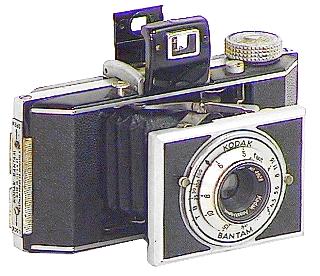
Kodak Bantam
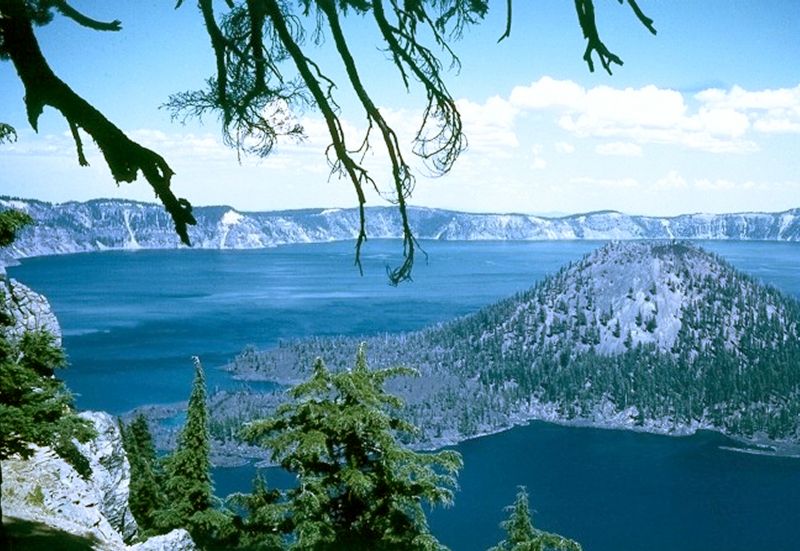
Crater Lake National Park - July, 1951, by J. Young
which used 620 roll film, both B&W and color print film.
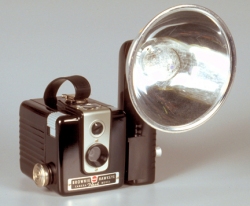
Kodak Brownie Hawkeye
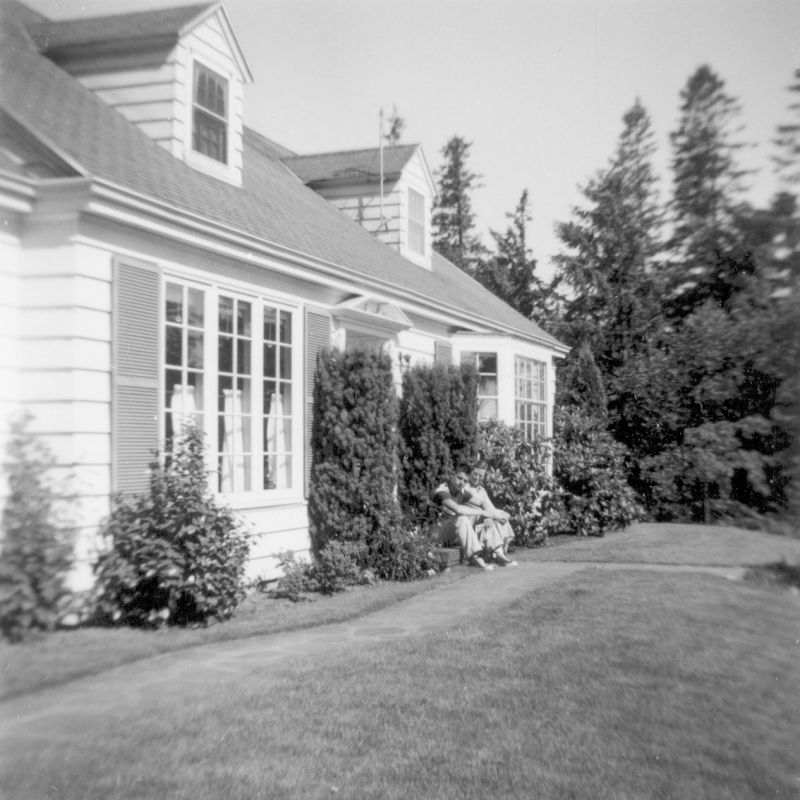
My brother Mike and my mother, in the summer of 1953, by J. Young
In May 1959, Jim's brother Michael bought Jim his first 35mm SLR, an Exa (version 4), and Jim began taking
'flash' photography of various school and church dances in Seattle using Kodachrome slide film. This camera
came with a 50mm f/2.8 Tessar lens., which to Jim later added a 135mm f/4 telephoto lens. He also obtained a
Leica- METER 3 exposure meter.
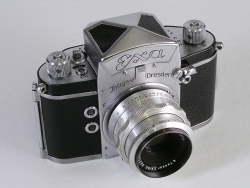
Exa (version 4)
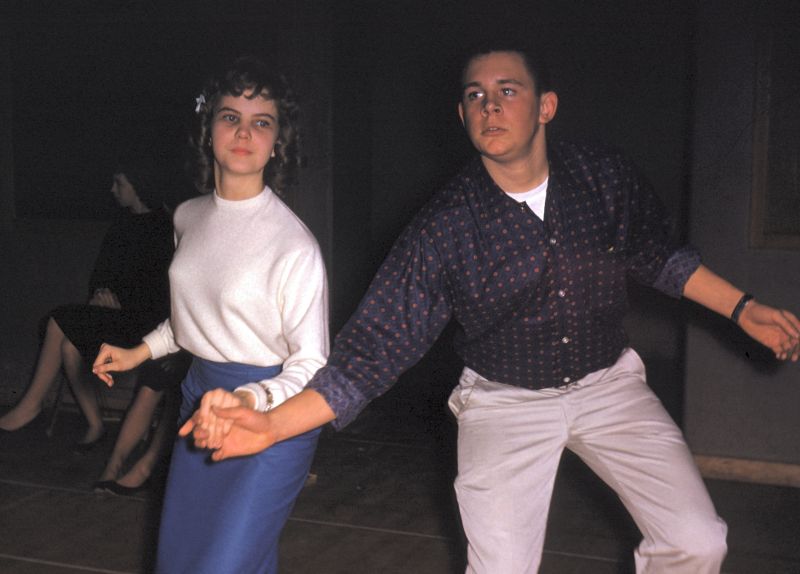
Couple at Church dance in Seattle in 1960, by J. Young
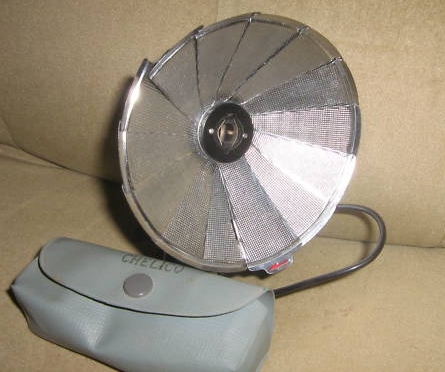
The Exa SLR was primarily used with Kodachrome slide film using an attachable fan-fold flash 'bulb' unit.,
similar to the one shown here:
It wasn't until after joining the U. S. Army in 1959 (he was allowed to take his camera to 'boot' camp!), he
acquired a Honeywell Strobonar 600 electronic stobe.
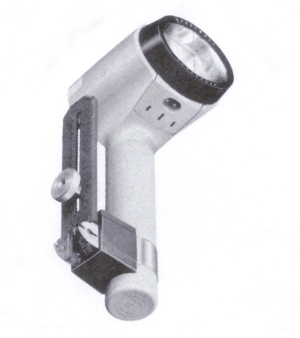
Honeywell Strobonar 600
While at Fort Knox, KY, in 'Radio School for the Army in 1961, Jim frequently took pictures in the city of
Louisville while on weekend leave. On one such weekend, while staying at a downtown Sheraton hotel,
Paul Anka and Dick Clark came into the lobby after a local concert, and Jim asked them if he could take
a picture . Yes.....
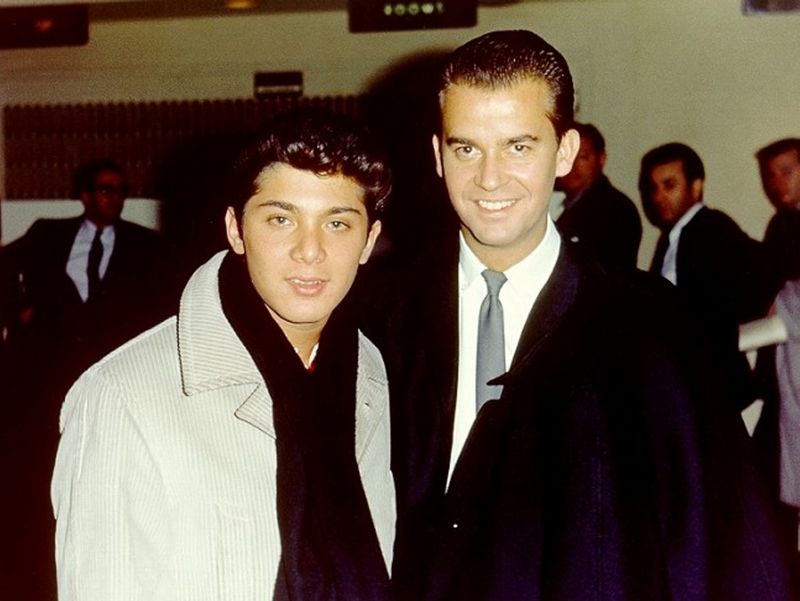
Paul Anka and Dick Clark in Louisville, KY, in 1961, by J. Young
When Jim was hired by the Jet Propulsion Laboratory in 1962, he worked at Table Mountain Observatory
where a newly acquired Zeiss Ikon Contarex camera was used for both astronomical photography, and site
documentation.
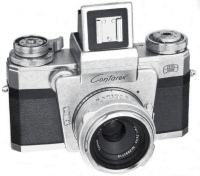
Contarex
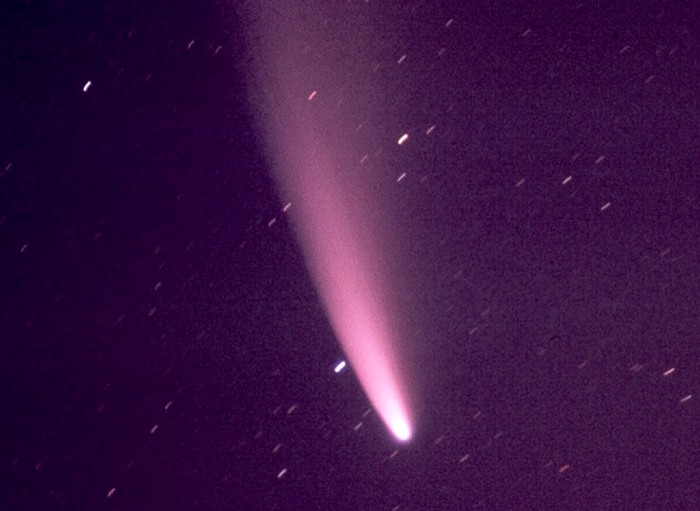
Comet Bennett from Table Mountain Observatory, in April, 1970, by J. Young
A full compliment of Zeiss lenses included the following:
Biogon 21mm 1:4.5
Distagon 35mm 1:2
Planar 55mm 1:1.4
Olympia-Sonnar 135mm 1:2.8
Olympia-Sonnar 250mm 1:4
Jim acquired a Fujita 66 (2 1/4 x 2 1/4 120 roll film) camera in the early 1970s, a medium format camera
used primarily for landscape/nature photography. This has a Fujita 80mm f/3.5 lens.
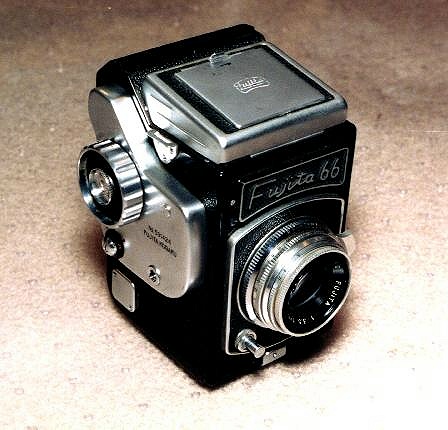
Fujita 66
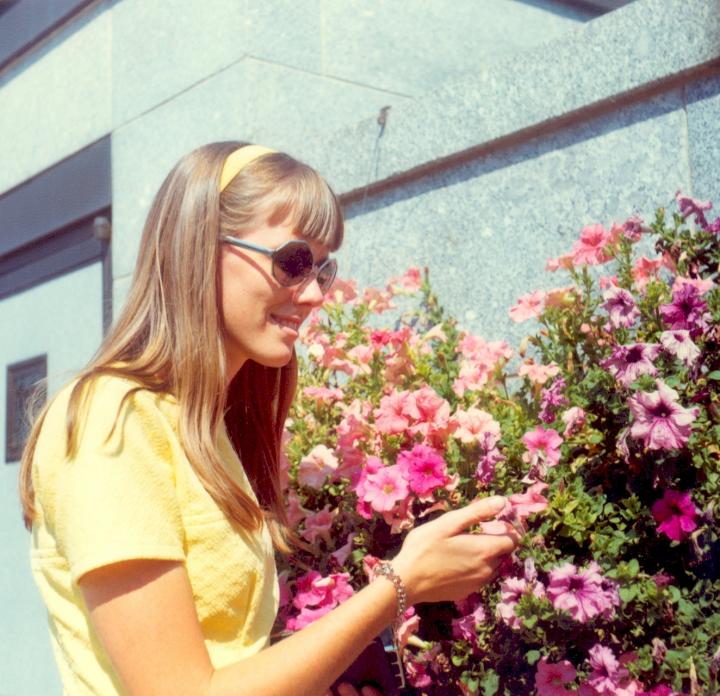
Karen Ann Halberg (future wife), Salt Lake City Temple Square, June, 1974, by J. Young
The Exa camera served Jim well, but by the middle 1970s, it was failing in its normal reliable performance.
Coupled with the need to send and display printed pictures of his growing family and children, Jim bought a
new 35mm SLR, a Pentax K-1000 in late 1976.
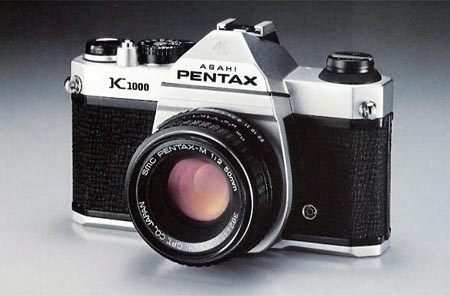
Pentax K-1000
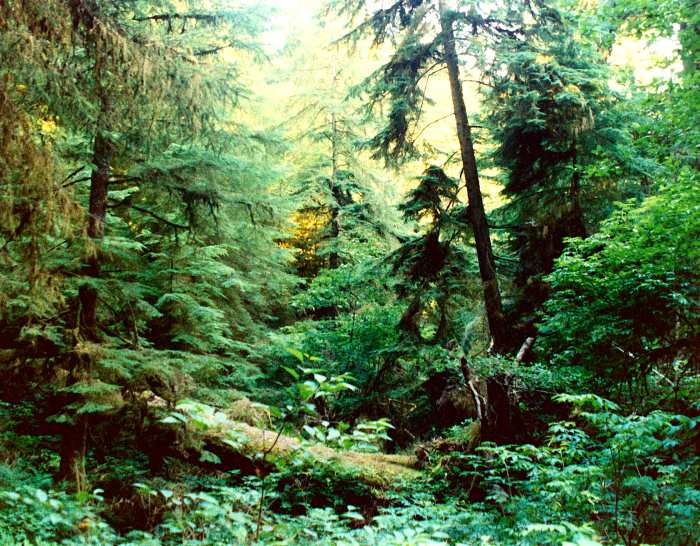
Ecola State Park, Cannon Beach, Oregon, August 1991, by J. Young
Jim used the following Tamron lenses with his Pentax cameras:
17mm 1:3.5
28mm 1:2.5
28-70mm 1:3.5-4.5
70-210mm 1:4-5.6
Tamaran 28-300mm 1:3.5-6.6
Vivitar Catadioptric 500mm 1:8
(also a Promaster Spectrum 7 auto Teleconverter MC7 2X)
He no longer used Kodachrome (slide film), but moved to Kodacolor print films. Very soon Jim had four of
these cameras, included two K-1000 SE models, and was on to much more serious photography, especially
nature and people. With many church social events, along with weddings and receptions, Jim gained much
needed experience toward his future goal of being a free-lance photographer after retiring from JPL (2009).
In 2006, Jim purchased a Sunpak 544 electronic stobe to replace the old Honeywell Strobonar 600.
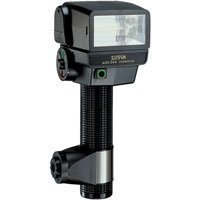
Sunpak 544
These Pentax cameras served Jim quite well through 2000. With the advent of digital camera technology
already everywhere, Jim continued to stay with print/slide film cameras, but began investigating possible
digital cameras as a future replacement. In the winter of 2002, he bought a Minolta DiMage 7, a 5.2 MP
DSLR, and finding it better than expected, Jim purchased a 7Hi in 2003, and gave the 7 to his wife, Karen.
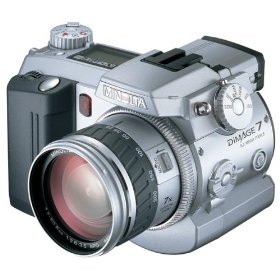
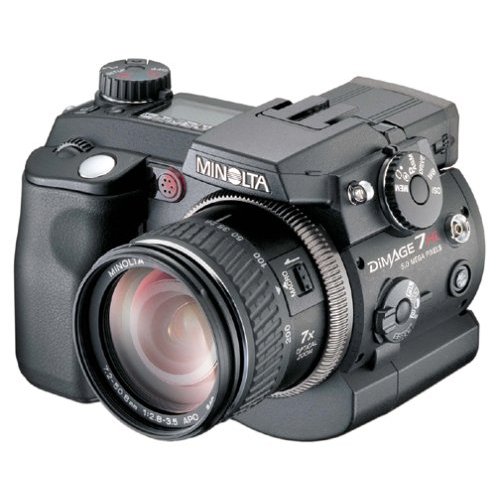
Dimage 7 Dimage 7Hi
These two cameras had a built-in 7X zoom lens (28-200mm equivalent to a 35mm camera), and a 2X digital
zoom. The pixel frame size was 2560 x 1920.
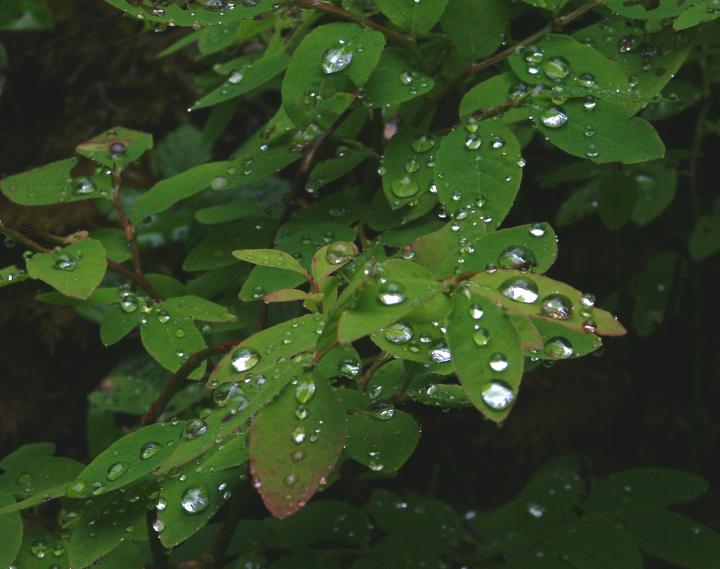
Douglas Island, Alaska, July 2004, by J. Young
In the spring of 2005, Jim recognized that digital photography was where he wanted to spent the remainder
of his photographic career. He then purchased a Canon 20D, 8.2 MP DSLR camera. Along with the camera,
he also bought 4 Canon lenses:
EF-S 10-22mm 1:3.5-4.5 USM
EF 16-35mm 1:2.8 L USM
EF 24-70mm 1:2.8 L USM
EF 70-200mm 1:2.8 L IS USM
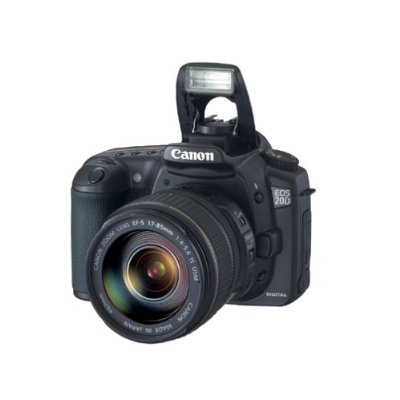
Canon 20D
The maximum pixel frame size is 3504 x 2336, both RAW and JPEG.
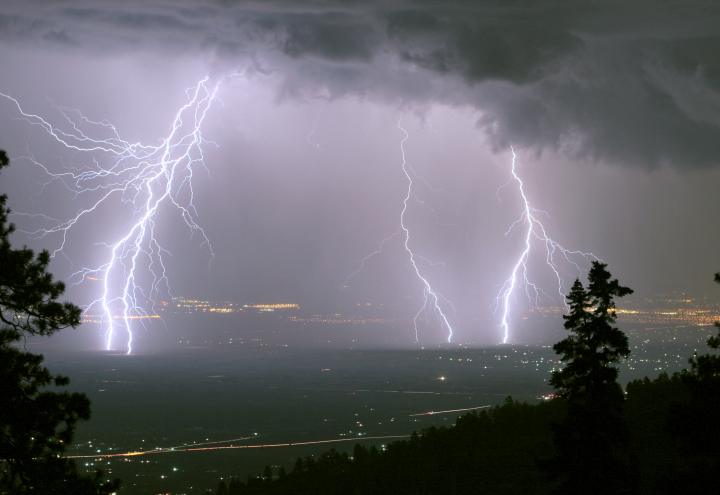
The Mojave Desert (from Table Mountain), California, August, 2005, by J. Young
Finally in September, 2009 Jim went for the gold and purchased a new Canon 1Ds Mark III, 21.1 MP DSLR
camera along with 2 new lenses:
EF 85mm 1:1.2 L II USM
EF 400mm 1:2.8 L IS USM Super Telephoto Lens
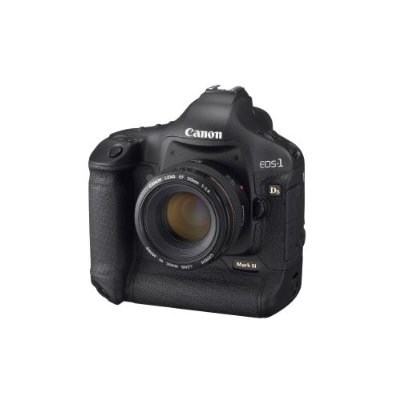
Canon 1Ds Mark III
The maximum pixel frame size is 5616 x 3744, both RAW and JPEG.
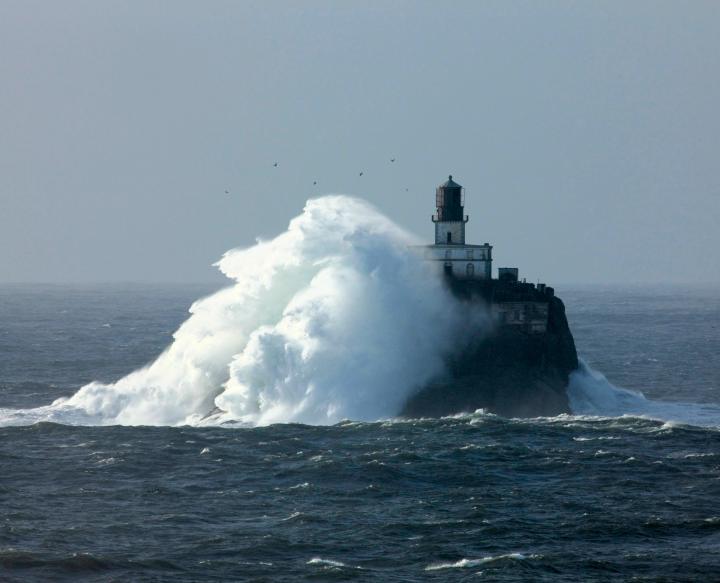
Tillamook Lighthouse, Oregon, November, 2009, by J. Young
(yes, those are comorants flying above the wave and lighthouse!)
Rounding out his Canon system, he added the following items:
EF 1.4x II Extender
EF 2x II Extender
EF 24mm 1:1.4 L II USM
Tachar 150mm 1:1.8 Astro-Berliner (converted for the Canon mount)
In Decemer, 2011 the following items were added:
EF 1.4x III Extender
EF 2x III Extender
EF 8-15mm 1:4 L Fisheye USM
EF 70-200 1:2.8 L IS II USM
In May, 2012 Jim acquired a Russian Maksutov MTO-1000mm 1:10
(converted to the Canon mount, and to use for astronomical guiding purposes)
In August, 2012 Jim also acquired a Canon VIXIA HF G10 Camcorder
(This is an HD CMOS Pro)
Purchased May, 2013
Canon 60Da, 18 MP DSLR, 5200 x 3462 pixels (for astrophotography)
EF 24-70 1:2.8 L II USM
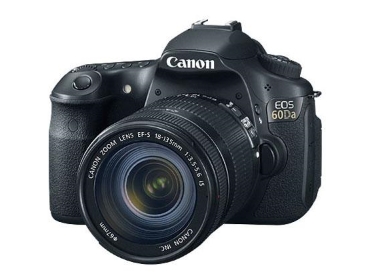
Canon 60Da
Purchased February, 2015
EF 200mm 1:2 L IS USM Telephoto Lens
Purchased July, 2016 a Canon 1Dx Mark II 20.2 MP DSLR
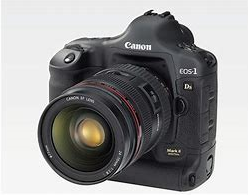
Canon 1Dx Mark II
The maximum pixel frame size is 5472 x 3648, both RAW and JPEG.
Gallery of Images Specialties
e-mail astroyoung@verizon.net
Current
Date Local Time
Page last updated on
April 21, 2024